From our Family to Yours: 43 Years of Charter Fishing Excursions in Seward, Alaska
Welcome to Miller’s Landing, a proud, family-owned operation run by third-generation fishermen on our original homestead, everyone is welcome aboard—first-timers and seasoned anglers alike. We’ve been fishing these cold Alaskan waters since before the company existed, and we bring that hard-earned local knowledge—and all the right tools—to every trip.
Use the calendar to see what’s available for your dates. Then scroll down to explore our full lineup of fishing charters and other trips in and around Seward.
Questions? Email [email protected] or give us a call at (907) 331-3113 — we are happy to help.
Scroll Past our Trips for More Information!
results
Fish, Kayak and Sightsee all in One Day!
Retain black rockfish (and other in-season species), sea kayak beside a tidewater glacier, and sightsee through the stunning Kenai Fjords National Park and Chiswell Islands—all in one unforgettable day. This trip is ideal for families and large groups: the boat stays with you throughout, so you can fish, paddle, or relax on deck as you wish. Because we run smaller boats, you’ll enjoy a more personalized experience with attentive captain and crew, plenty of flexibility, and front-row views of wildlife and scenery.

Fish Processing
Let us do all the dirty work
We fillet or prepare your fish as you like, rinsed, skinned, and ready to freeze. Then we store it or you take it to our local processor where it can be frozen, vacuum packed, shipped, or stored for a longer period of time.
Don’t want to deal with your fish at all? We have add on products that will transport your catch to the processor and even include freezing and shipping, not to mention meals, gear, and fishing licenses!
Find more information here: Fish Cleaning, Freezing, Processing & Shipping Information


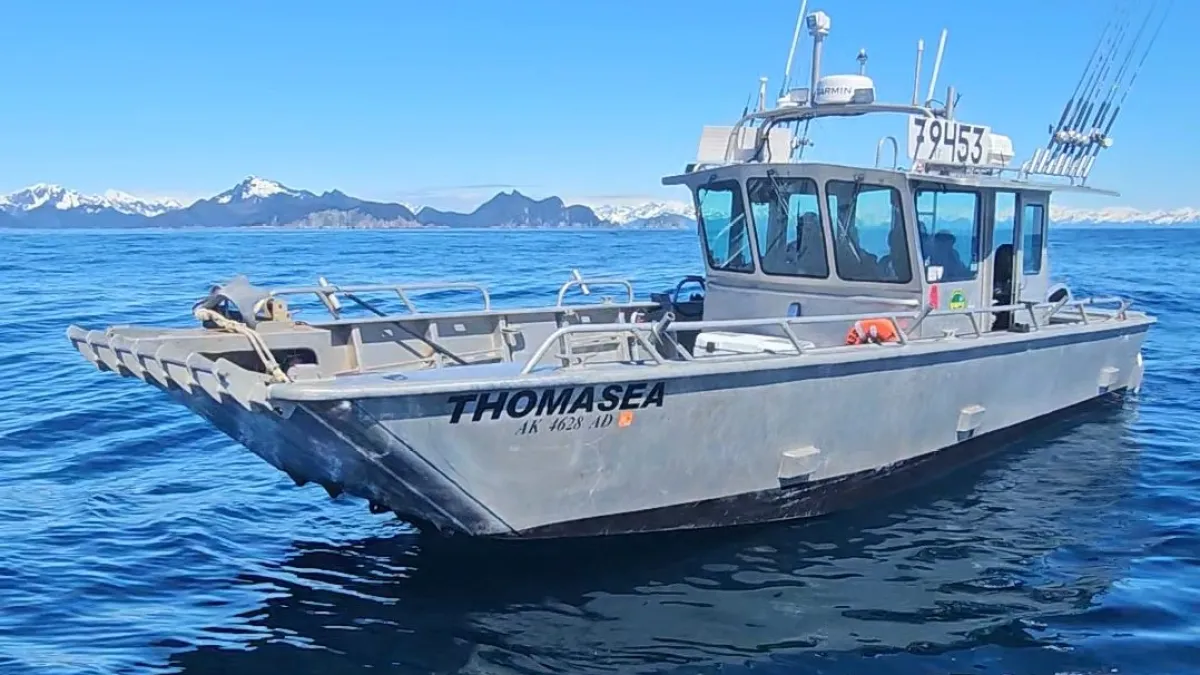
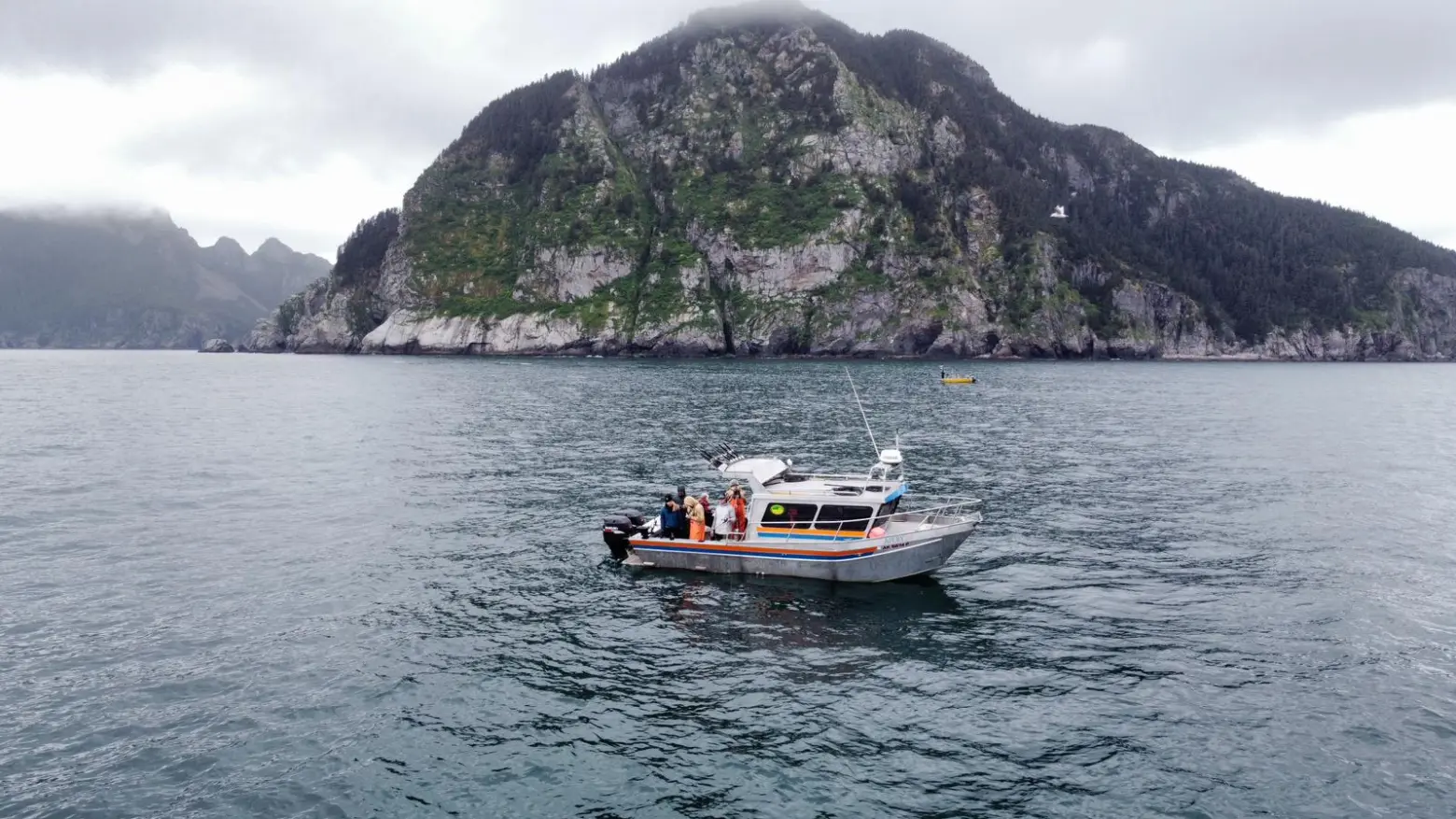
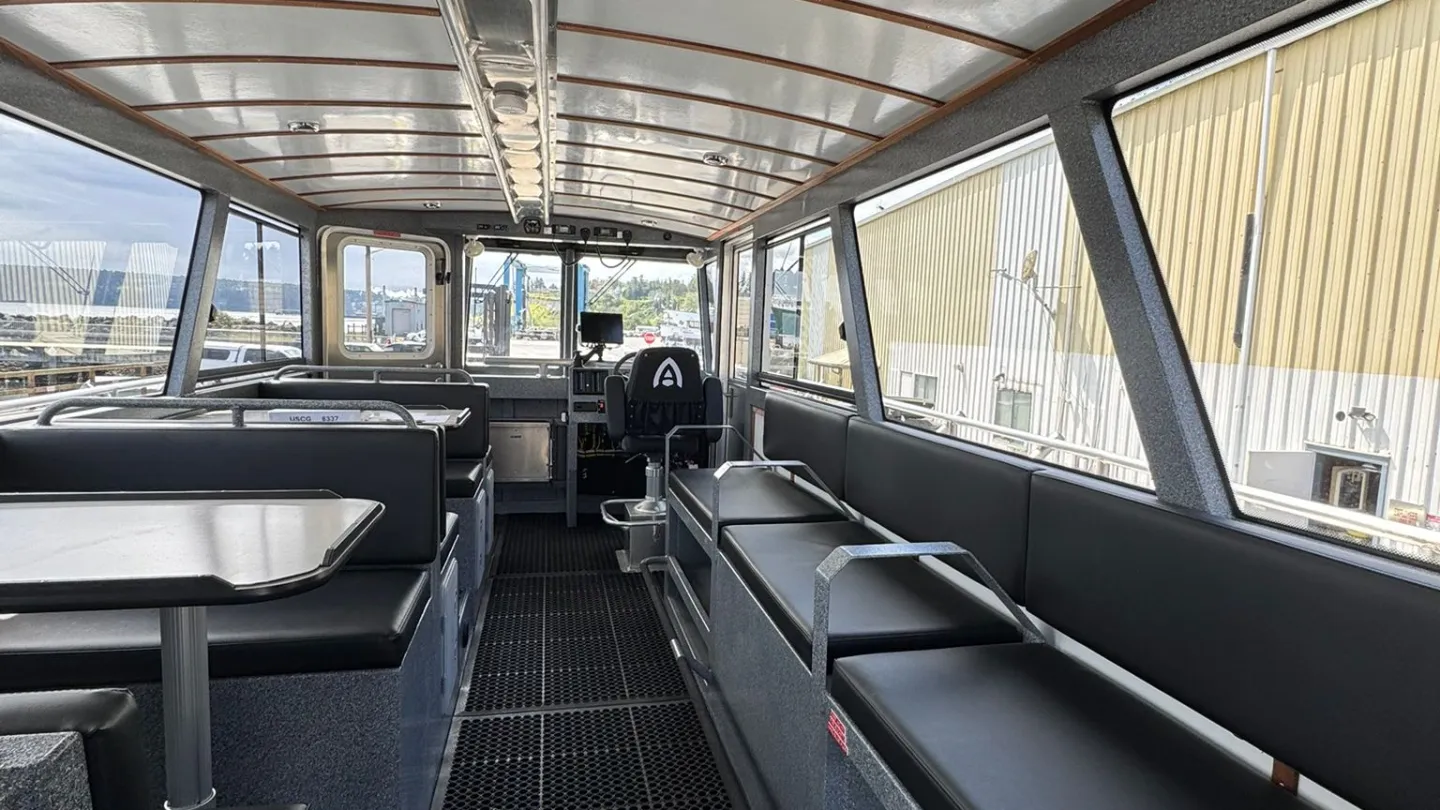
Our Fleet
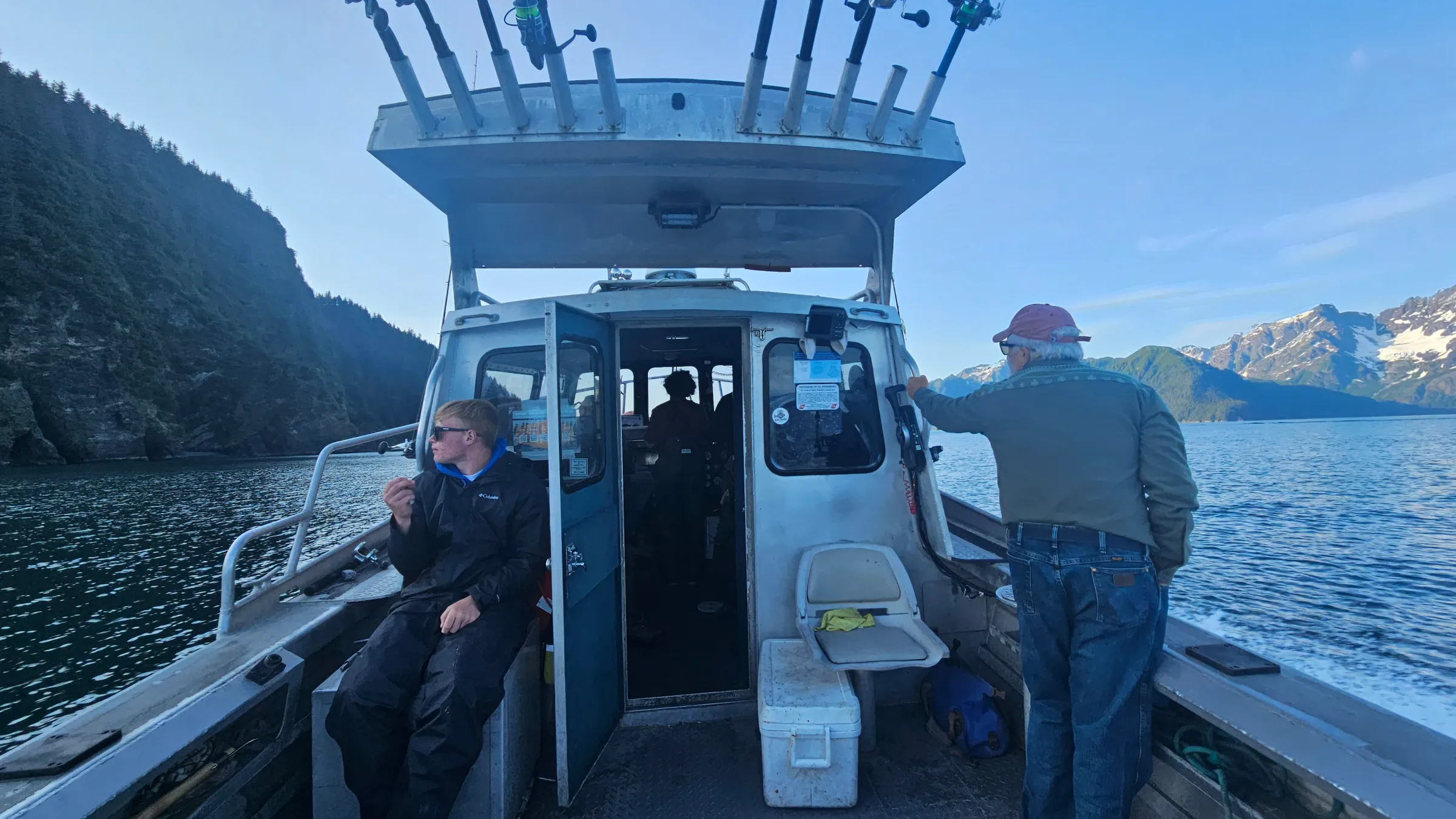
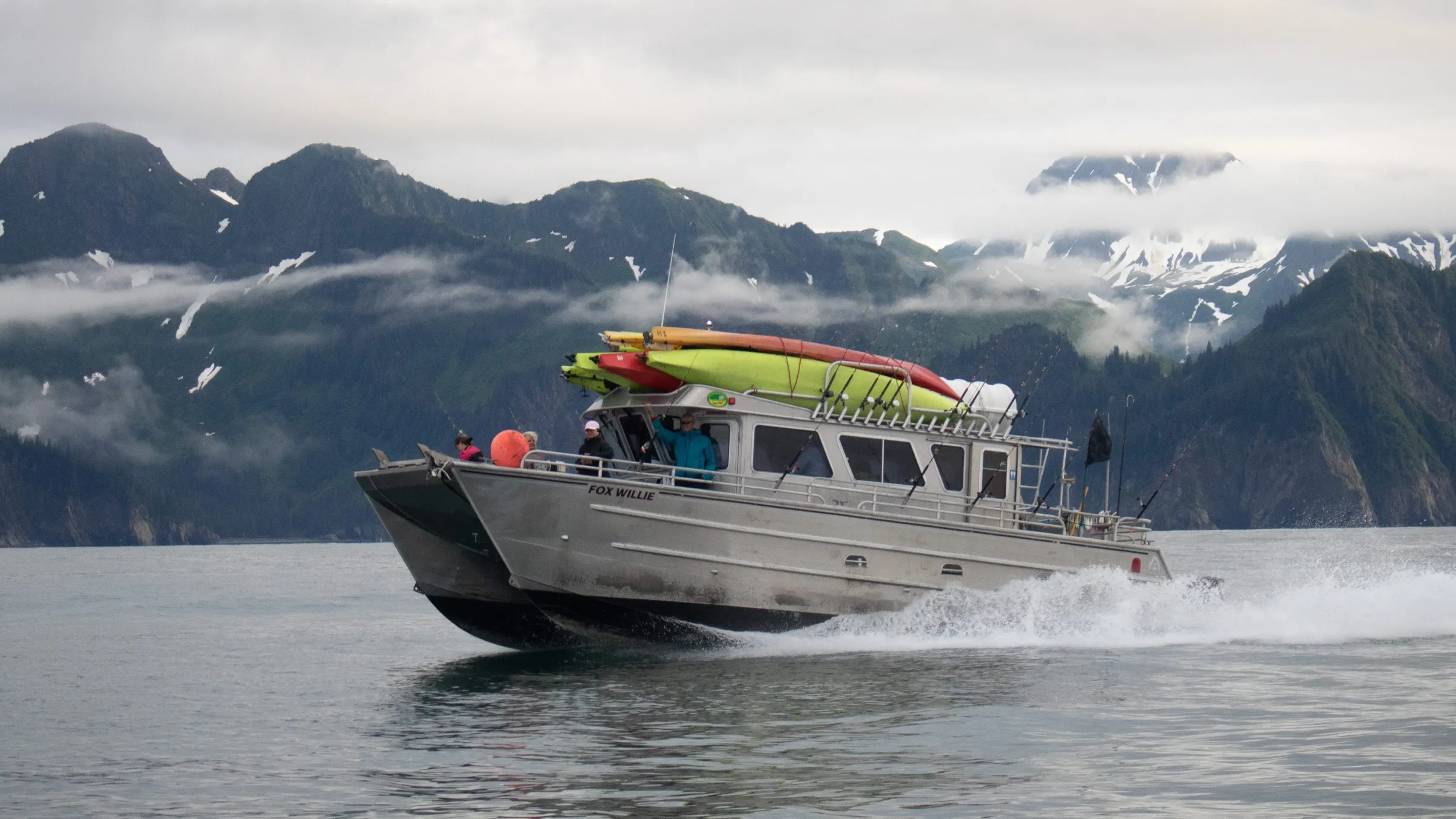
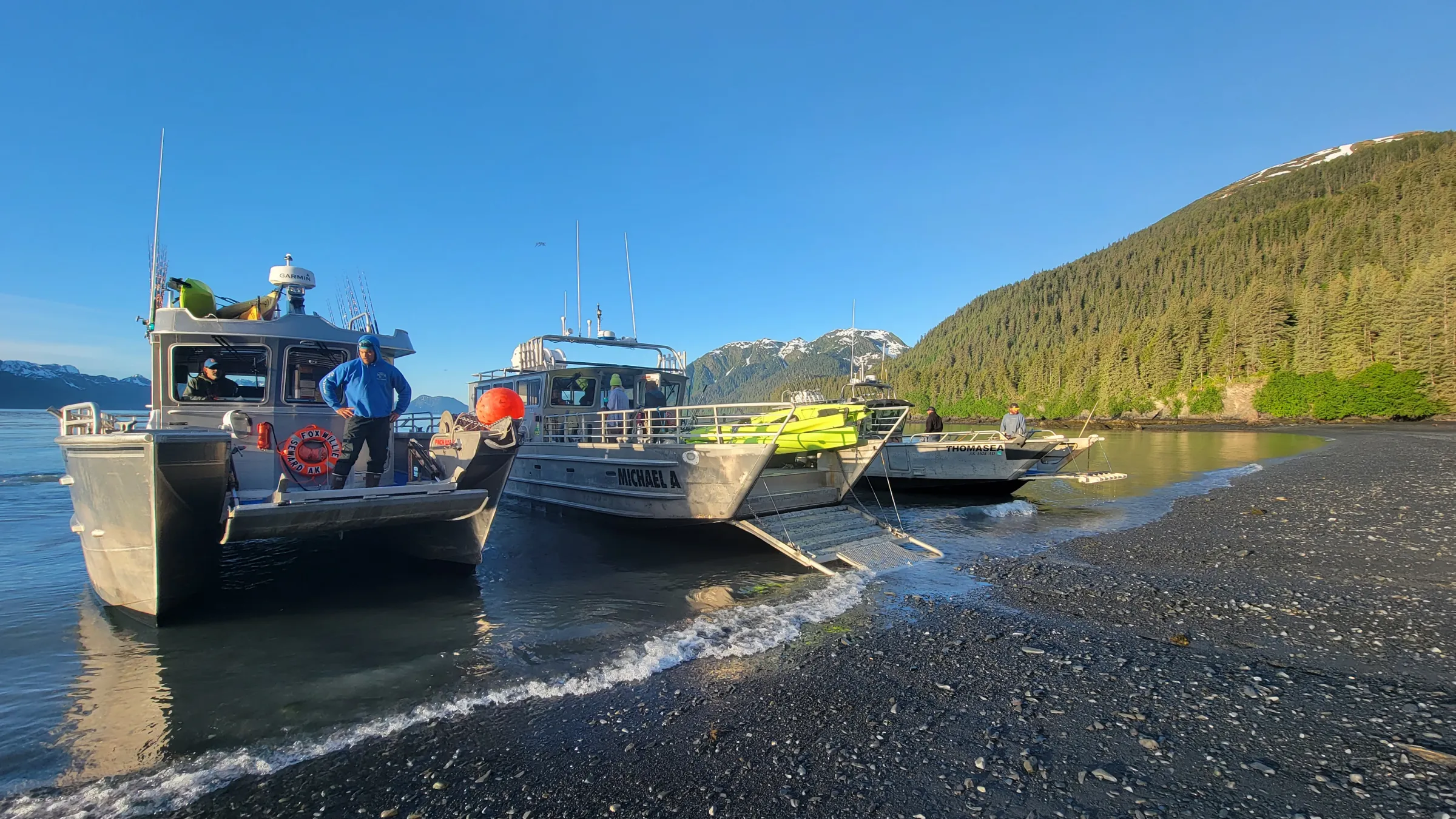
Fish on a unique vessel, all well-maintained and loved by our crew!
We have various vessels ranging from 32-foot Munson design landing crafts like the Thomasea, to our custom and purpose built catamaran landing crafts Islay M and Fox Willie. All of our captains and deckhands are experienced and certified.

Our Gear
We take pride in our gear from custom fishing poles to in house hand tied terminal tackle.
Most of our gear was not only designed by us for us in house by our rod manufacturing partners, but has been proven effective over 40 years of trial and tribulation. We maintain and replace our gear so that you are using the best and most reliable rods, bait, reels and jigs we could muster.
Find us on YouTube
Retainable Fish on our Charters
Pacific Halibut
Pacific Halibut is the most desired and largest fish of Alaska’s sport fisheries. They are plentiful in our waters throughout the season and can be caught May-September. Sport-caught Halibut usually range from 20-50 lbs, although larger fish are not uncommon. People frequently ask about the size of the halibut we catch, but that question is impossible to answer from day to day. We commonly catch fish over 100 lbs, but we commonly catch average-sized Halibut as well. It’s up to you to listen to your guide, attend your line, and do your best to maximize your catch! We’ve caught 156lb Halibut on Salmon rods while fishing for Rockfish, with a tiny little hook and skimpy piece of herring. We’ve also caught 300lb Halibut on whole Salmon carcases threaded with circle hooks at 400′. Nobody can forecast a day of fishing, but we work as hard as we can to make it a success.
Non-Pelagic Rockfish
China - Tiger - Yelloweye - Copper - Quillback - Etc.The non-pelagic rockfish found around Seward, Alaska are some of the most striking fish in our waters—vibrant reds, oranges, and bold markings that light up the rocky seafloor. There are 32 different types of these long-lived, slow-growing bottom dwellers. Such as Yelloweye, Copper, Tiger, China, and Quillback. Rockfish prefer steep reefs and structure, making them a rewarding and memorable catch for anglers who venture deep. Because they’re so unique and sensitive to overfishing, regulations in our area are strict: anglers may keep three rockfish per day in total, but only one can be a non-pelagic species. A shortraker rockfish is shown in this picture.
Pelagic Rockfish
Black Bass - Dusky - Widow - Yellowtail - BlueBlack Bass are both exciting and fun to catch. They are the most prolific of the pelagic Rockfish species and are found near shallow rocky areas. Fishermen are limited to a set number of pelagic and nonpelagic rockfish per day, and we make an effort to catch both to reach the limit. These fish average about 4 to 5 pounds but range up to 12 pounds. We often fish for them with light/medium-weight tackle. These fish are great fun for young and big kids alike as they hit fast and furious, are located all throughout the water column near rock structure, and can liven up a lull in the bite. They are excellent fried, baked, or blackened.
Yellow Eye (Non-Pelagic Rockfish)
Red SnapperYellow Eye Rockfish are one of the tastiest and more popular of the 32 different species of non-pelagic rockfish we catch, and also one of the oldest. Also called red snapper, they live to be incredibly old – they grow about an inch per year, don’t start breeding until they’re 7, and the eggs have less than a 1% survival rate. They live where they are born, and as such are limited in most areas to 1 per person per day starting July 1st. They are incredibly good-eating, gorgeous fish which initially hit like a truck. They can get up to 32 lbs, and we’ve had them swallow the whole salmon on halibut gear. They are generally caught while fishing for halibut and ling cod.
King Salmon
Chinook - Spring salmon - BlackmouthKing salmon (chinook) are the largest Pacific salmon—typically about 3 feet and 30 pounds but capable of reaching roughly 4.9 feet and 129 pounds—and most spend around five years in the ocean (some up to eight). In Seward we encounter year-round “feeder kings,” ocean fish cruising Resurrection Bay before their eventual river runs; we fish them by trolling or mooching with hardware and bait, working the full water column on semi-light tackle for an exciting fight. While kings aren’t our primary target on standard trips, we do catch them, and if you’d like your best shot at harvesting one, the spring combo trip is the time to try. The daily limit in our local waters is usually one king per person (subject to ADF&G Emergency Orders), and you’ll need both an Alaska sport-fishing license and a King Salmon Stamp to retain one. We also occasionally land “white kings,” a delicious, less common variant here.
Pink Salmon
Humpy - Haddo - GorbuschThese salmon do not reside in fresh water for any extended period, unlike coho, chinook and sockeye salmon. Their average length is 20 to 25 inches and their average weight is 3.5 to 5 pounds. We do not target pink salmon, but we do catch them while fishing for rockfish or silver salmon. They often get released when we are targeting silvers, it is most folks’ preference to keep silvers instead of pink salmon. They are great eating if cooked shortly after catching vs. freezing and eating later on. You can also catch pink salmon right in front of our main office, right on the beach, in the late summer.
Silver Salmon
CohoSilvers start their annual return to their freshwater streams in mid-July and August. They average 8-20 lbs and are a lot of fun to catch. They put up a good fight and it’s exciting to watch the fish rip around the boat and leap into the air during the fight! People of all ages are capable of catching Silvers, and kids do very well with these fish. Seward has one of the better Silver Salmon sport fisheries on the Kenai Peninsula, and charter operators actually come from other towns to fish here. Silvers are remarkably tasty, and we take extra care with our salmon, keeping them in coolers with ice and saltwater so they stay firm and fresh no matter what time of day they were caught. Miller’s Landing has its own ice maker, and we outfit the charters daily with a stock of ice for the catch. When the bite is on, it’s a complete frenzy. Everyone on the boat can fish at the same time!
Pacific Cod
Alaska Cod - Gray Cod - True CodWhile Pacific Cod are not the target species around here, they are great eating and fun to catch. There is never a guarantee of when we catch them. Some days we are “covered up with cod” while halibut fishing and it’s as fast as you get to the bottom. These fish live up to 20 years and grow up to 6 ft in length. Pacific Cod migrate as far as 490 miles in a year from the Gulf of Alaska to the west coast of Norway. Cod is quite healthy like most fish and is great cooked in butter on a hot skillet.
Lingcod
Buffalo Cod - Cultus CodLing season opens July 1st, and they aren’t actually Cod at all! Lings are members of the Greenling family, and in some cases their flesh is naturally tinted green or blue, turning white when cooked. They eat a great deal of chlorophyll, lending the fish its unusual tint. These fish can grow to over 80 lbs. They look like prehistoric sea monsters and are apex predators, often shunning bait and going instead for an actively worked jig. Lings can be caught at almost any depth, but we catch most of them at 30-275 feet. Many people prefer the moist, succulent, white meat of Ling Cod to Halibut. Lings are often caught pre-season but must be released prior to July 1st.
Frequently Asked Questions
-
If you are fishing with us, we clean and fillet your fish as part of your fishing charter. We also provide complimentary fish freezing for one night for our customers. Processing, freezing, and shipping can be done at Captain Jack’s or J-Dock in Seward. For more information, click here.
-
If you are on a half-day charter, you fish inside Resurrection Bay. On our full-day charters, we go outside of the Bay. The exact spot for fishing is the captain’s decision based on weather and their extensive knowledge of the area.
-
We don’t target halibut on half-day Seward fishing charters. Halibut may be caught but are not retained on these charters. If you want to keep a halibut, please see our full-day charters. For more information, click here.
-
The best period for catching silver salmon is mid-July and August, but it can also be caught in outer coastal waters starting in late June.
-
The easiest way to purchase it is online!
-
Tips are voluntary, but greatly appreciated! They are generally 10% – 15% based on your crew’s performance.
-
Here are six pointers on what to wear when fishing in Alaska.
1. Layering is the key to staying warm and comfortable on a fishing charter in Alaska. The temperature can drop drastically, and strong winds can make it feel even colder. So, it’s important to wear multiple layers of clothing, including a base layer, insulating layer, and waterproof outer layer.
2. A waterproof and windproof jacket is a must-have item for any fishing charter in Alaska. It will protect you from the elements and keep you dry in case of rain or splashes from the sea. Opt for a jacket with a hood for added protection.
3. When it comes to bottoms, it’s best to avoid jeans and opt for waterproof pants or bibs. These will keep you warm, dry, and comfortable throughout the trip. Plus, they are designed to withstand the ruggedness of the Alaskan terrain.
4. Don’t forget to wear waterproof shoes or boots with good traction to prevent slipping on the wet deck. It’s also a good idea to bring along an extra pair of dry socks in case your feet get wet.
5. A good quality hat and gloves are essential for a fishing charter in Alaska. They will protect your head, ears, and hands from the cold and wind. Make sure they are waterproof and insulated for maximum warmth.
6. Lastly, don’t forget to wear sunscreen and sunglasses to protect yourself from the harsh UV rays reflecting off the water. The sun may not feel as intense in the cold temperature, but it can still cause sunburns and damage your eyes.
In conclusion, dressing appropriately is crucial for a successful and enjoyable fishing charter in Alaska. By following these tips and wearing the right clothing, you can stay warm, dry, and comfortable while reeling in the catch of a lifetime. So, pack your bags, dress right, and get ready for an unforgettable fishing adventure in the Last Frontier.