Quick Details
Thomasea
Exclusive use of the boat
$ 1710
Sightseeing Tour with Fishing in Seward, Alaska
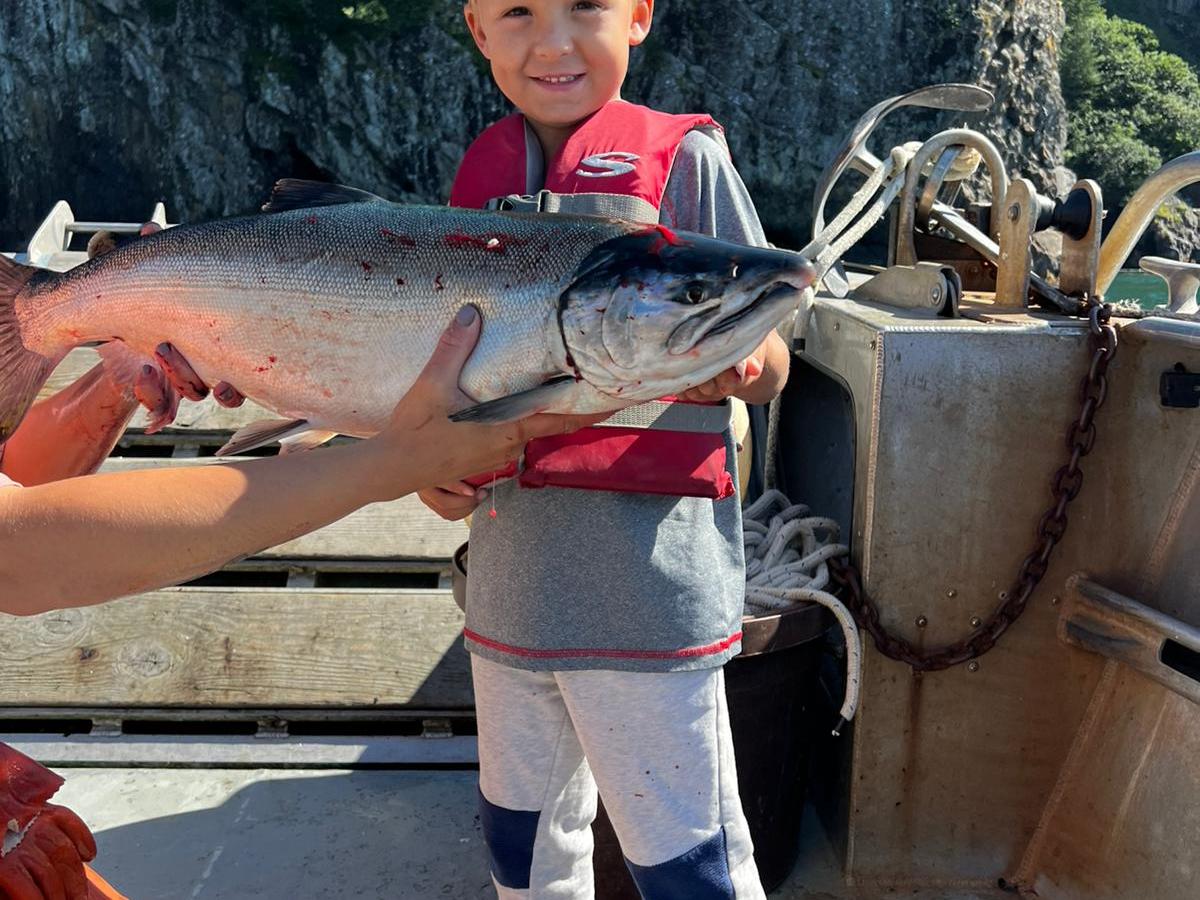
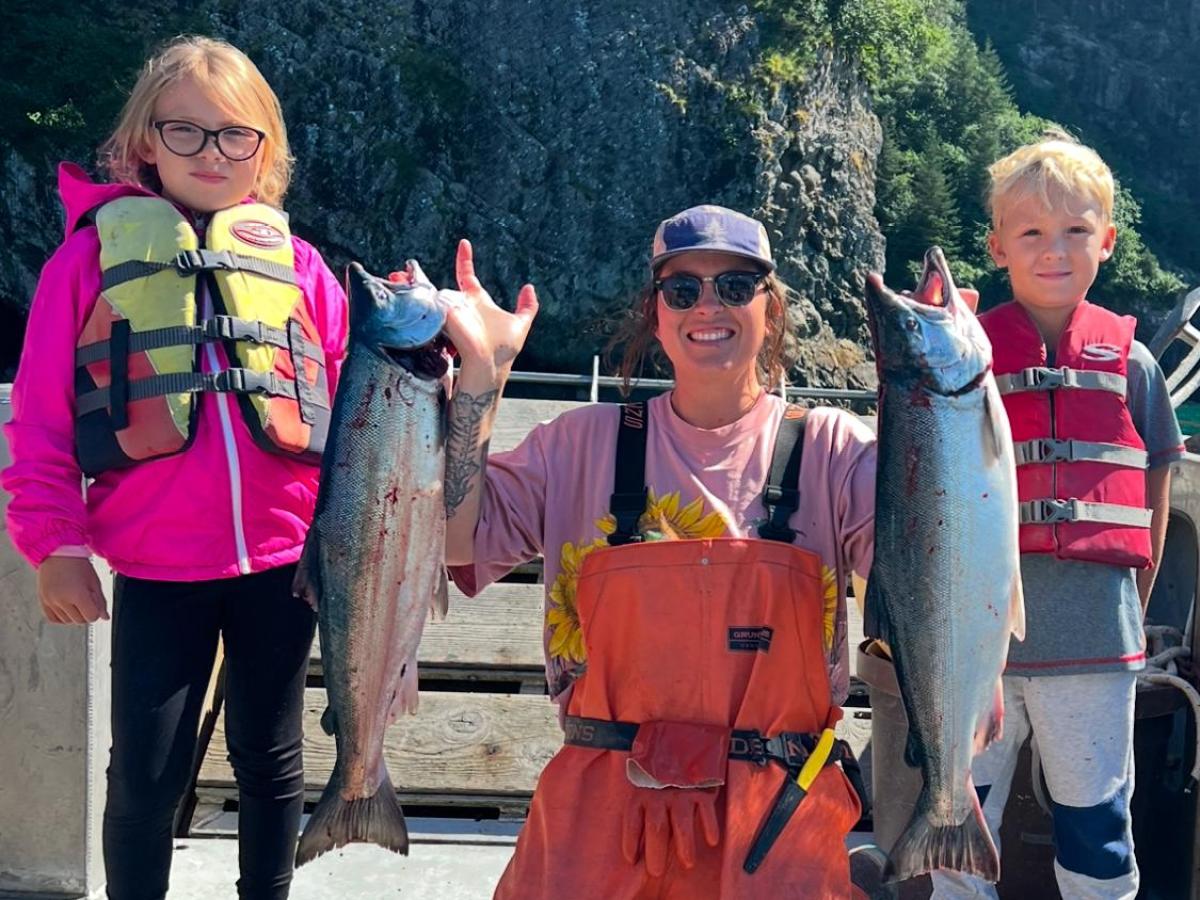
This is a custom Seward charter focusing on sightseeing with just a little fun fishing included.
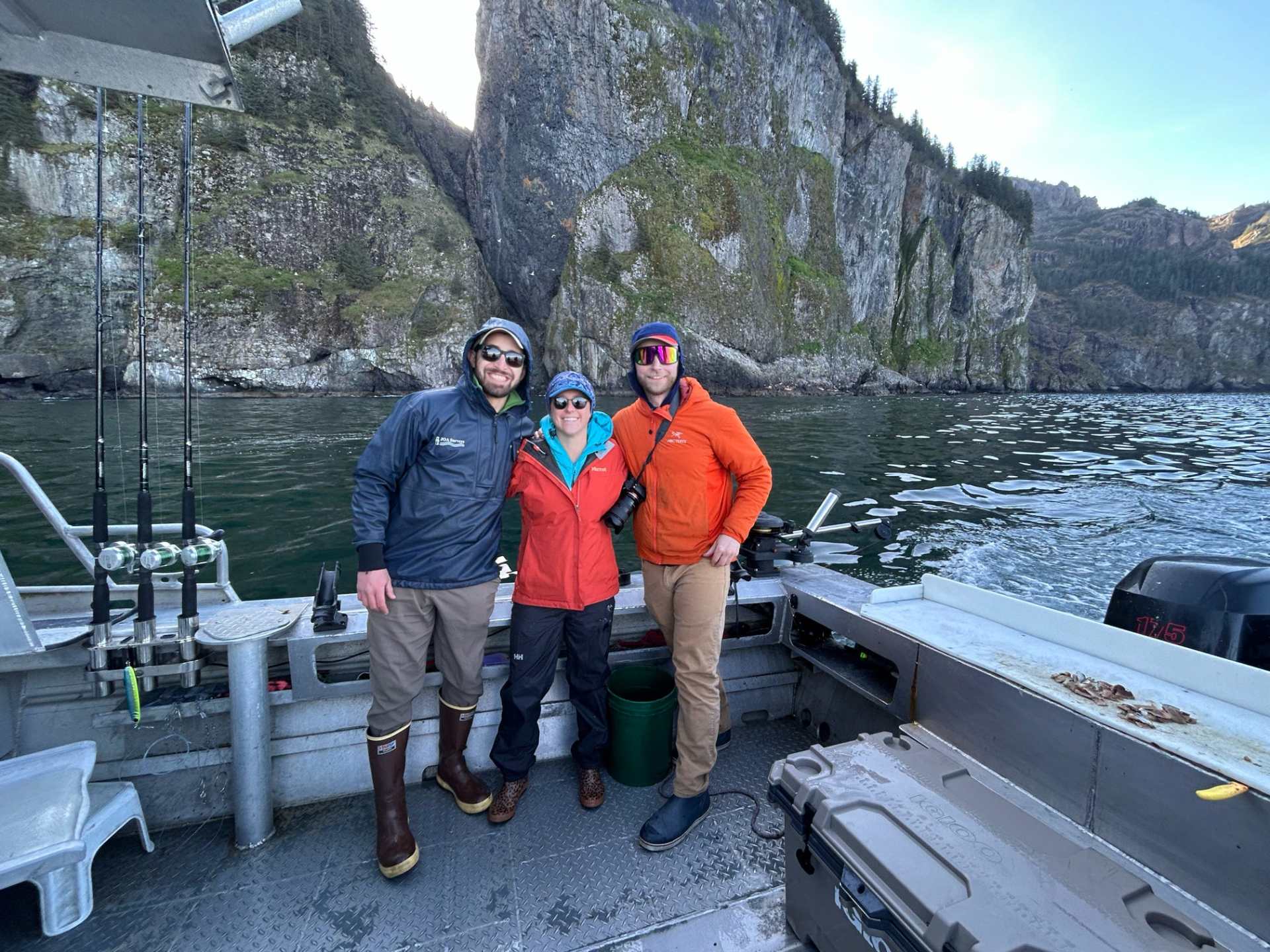
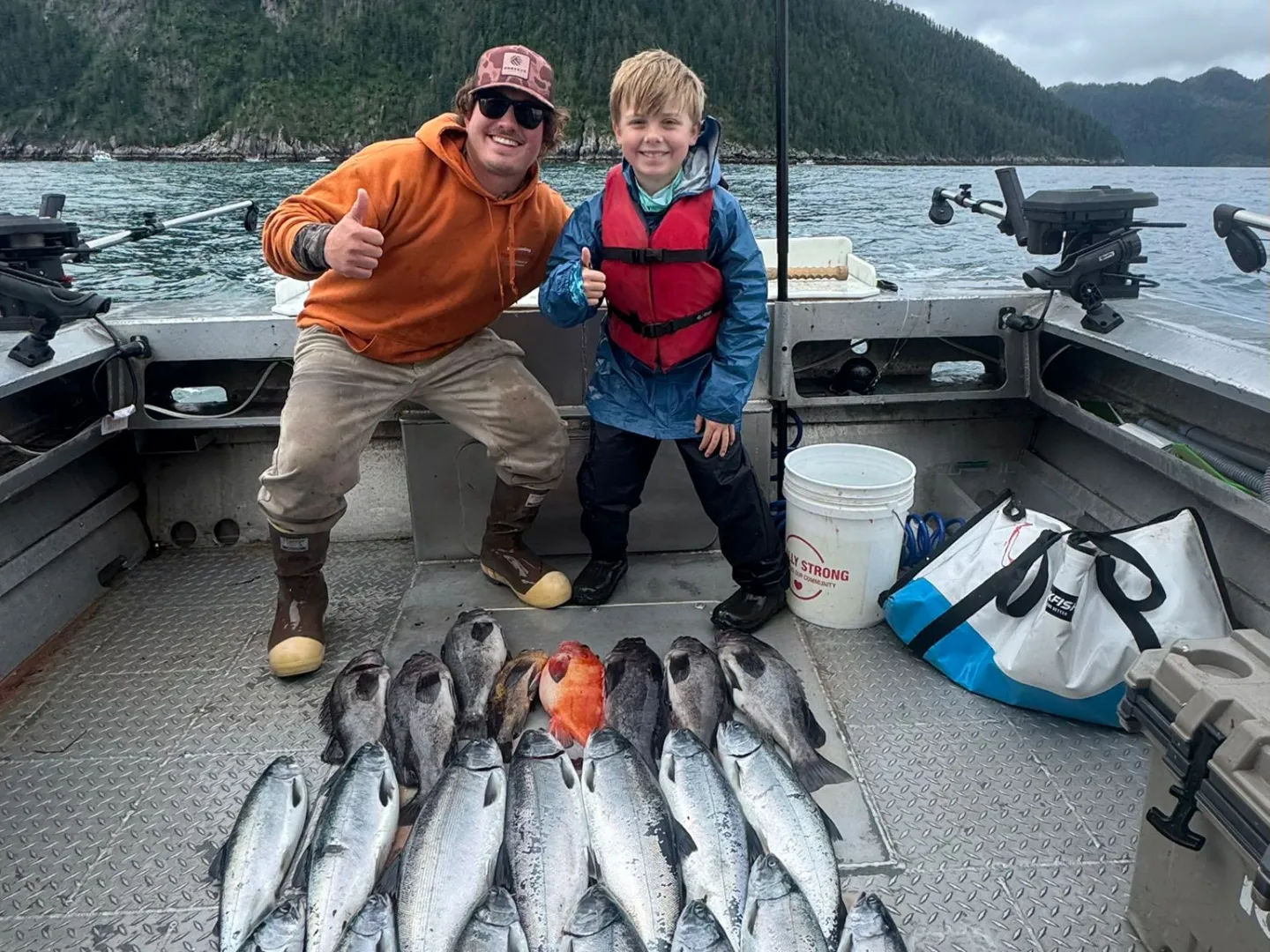
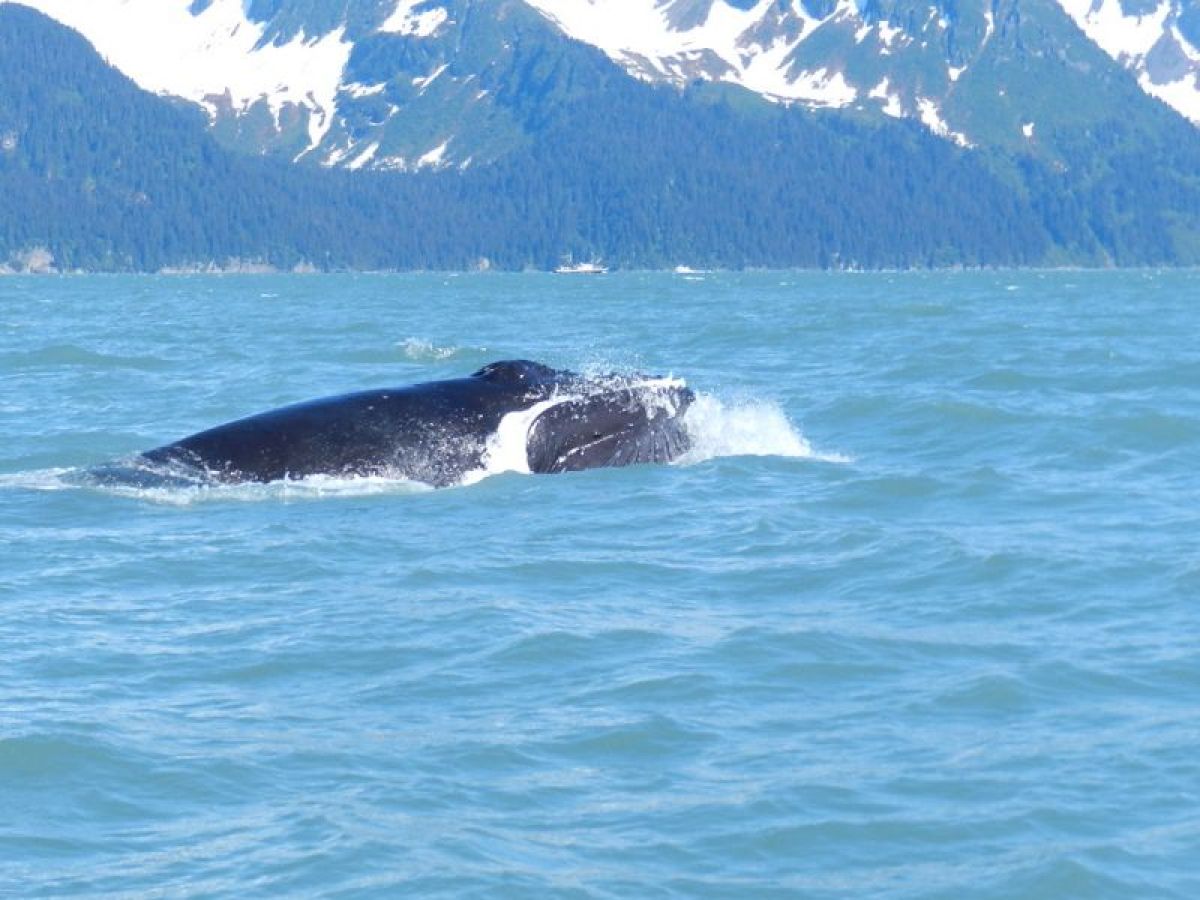
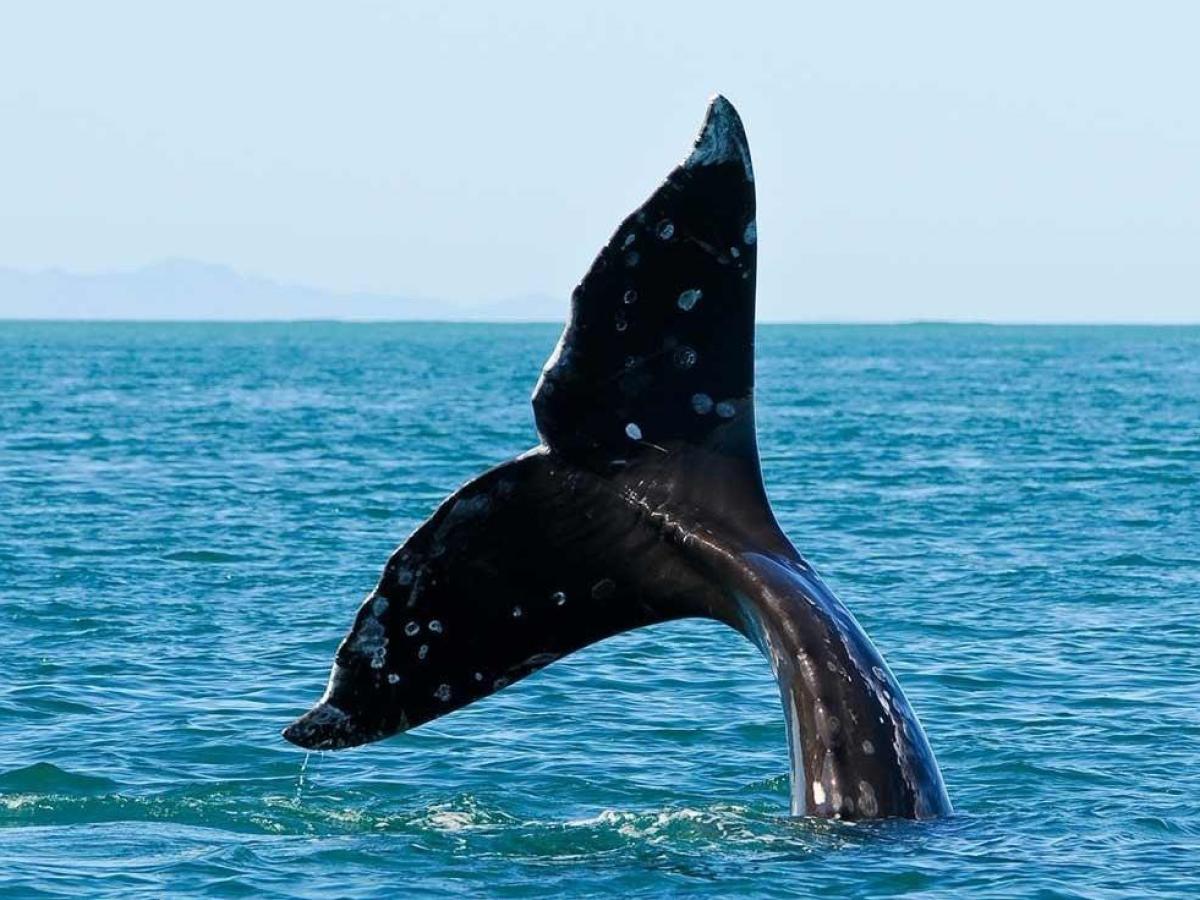
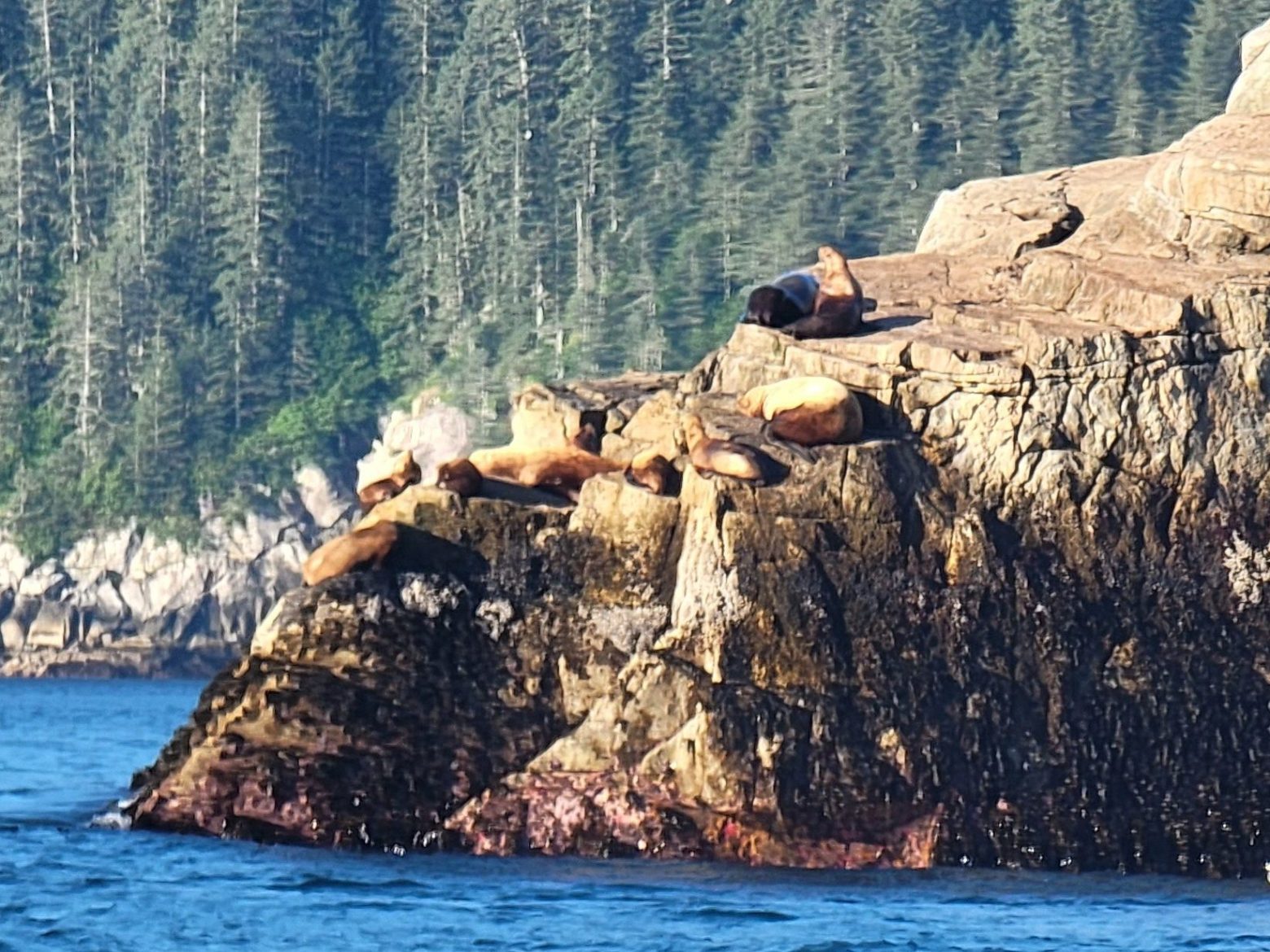
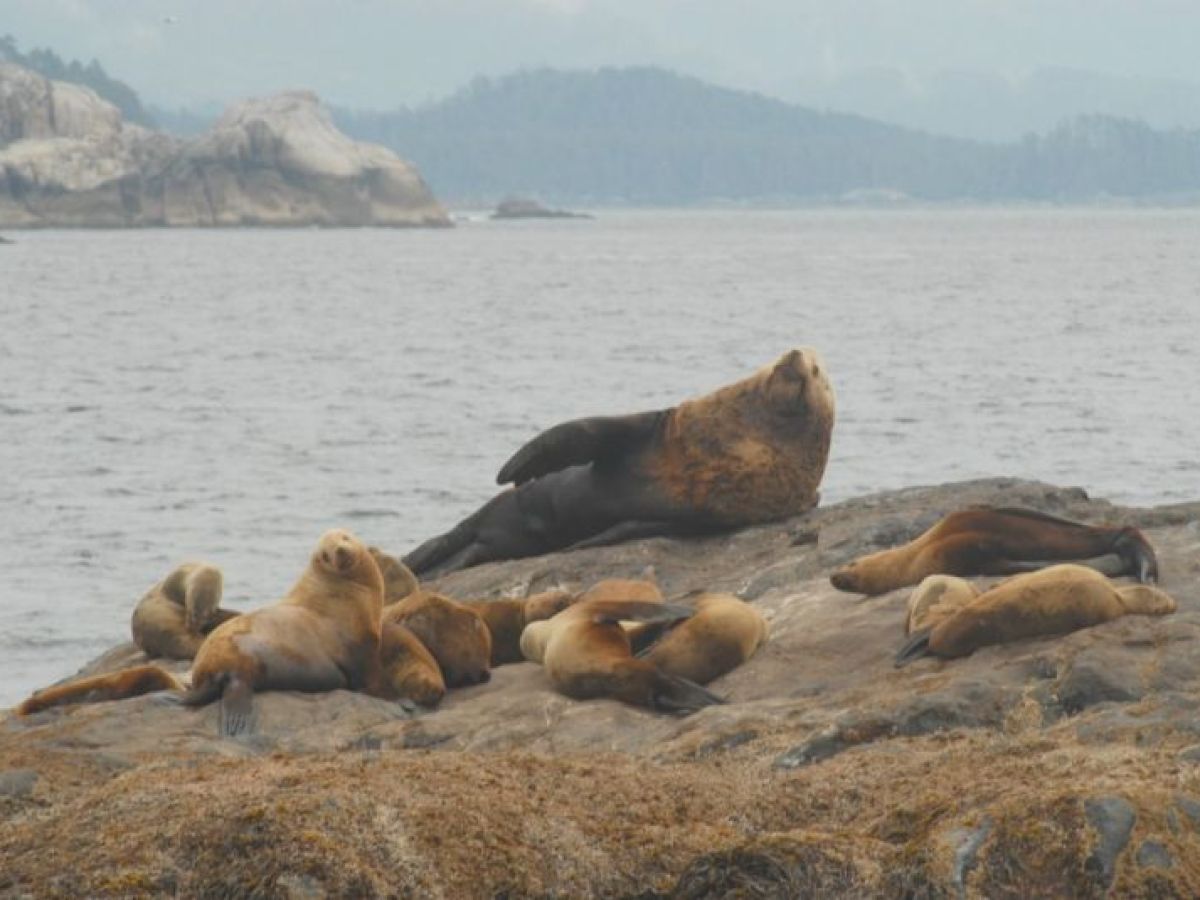
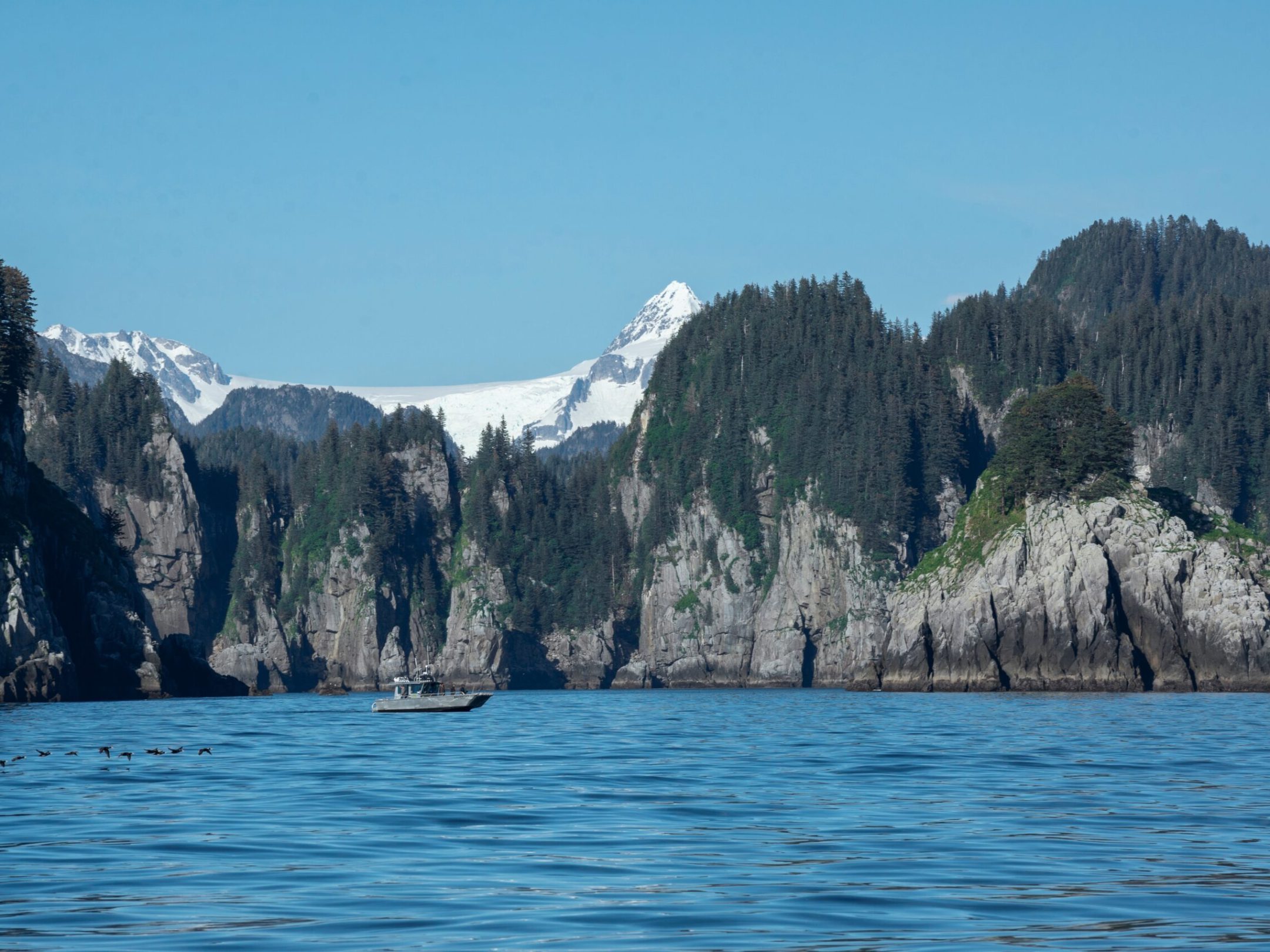
We sightsee for about three hours in the beautiful Seward region of Alaska and then fish for black bass for about an hour. The sightseeing tour takes you through the El Dorado Narrows, where you see towering cliffs, sea caves, sea lion haul-outs, bird rookeries, puffins, eagles, black oystercatchers, sea otters, kittiwakes, Murres, Dall porpoise, sometimes mountain goats and black bear, and an occasional whale! Be sure to bring your binoculars and a camera for this Seward sightseeing and fishing combo!
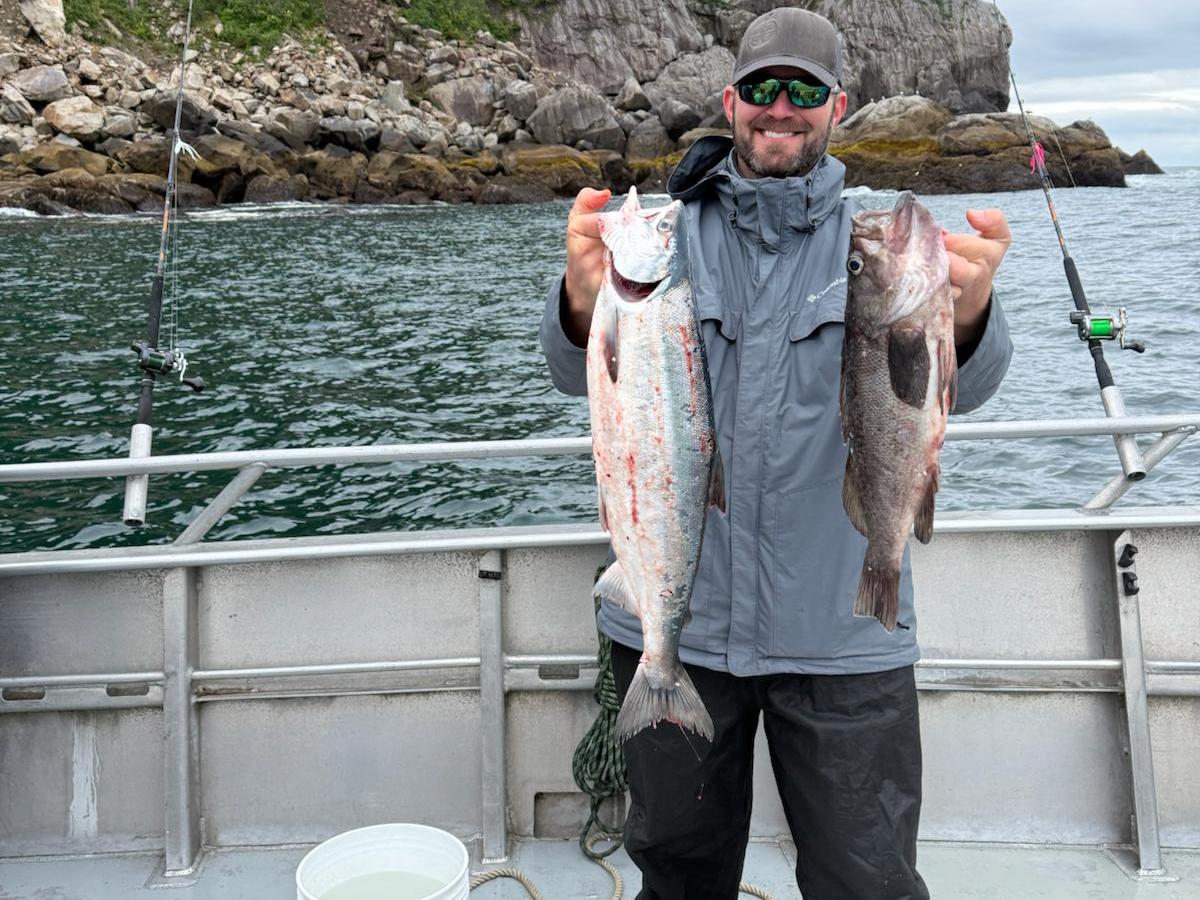
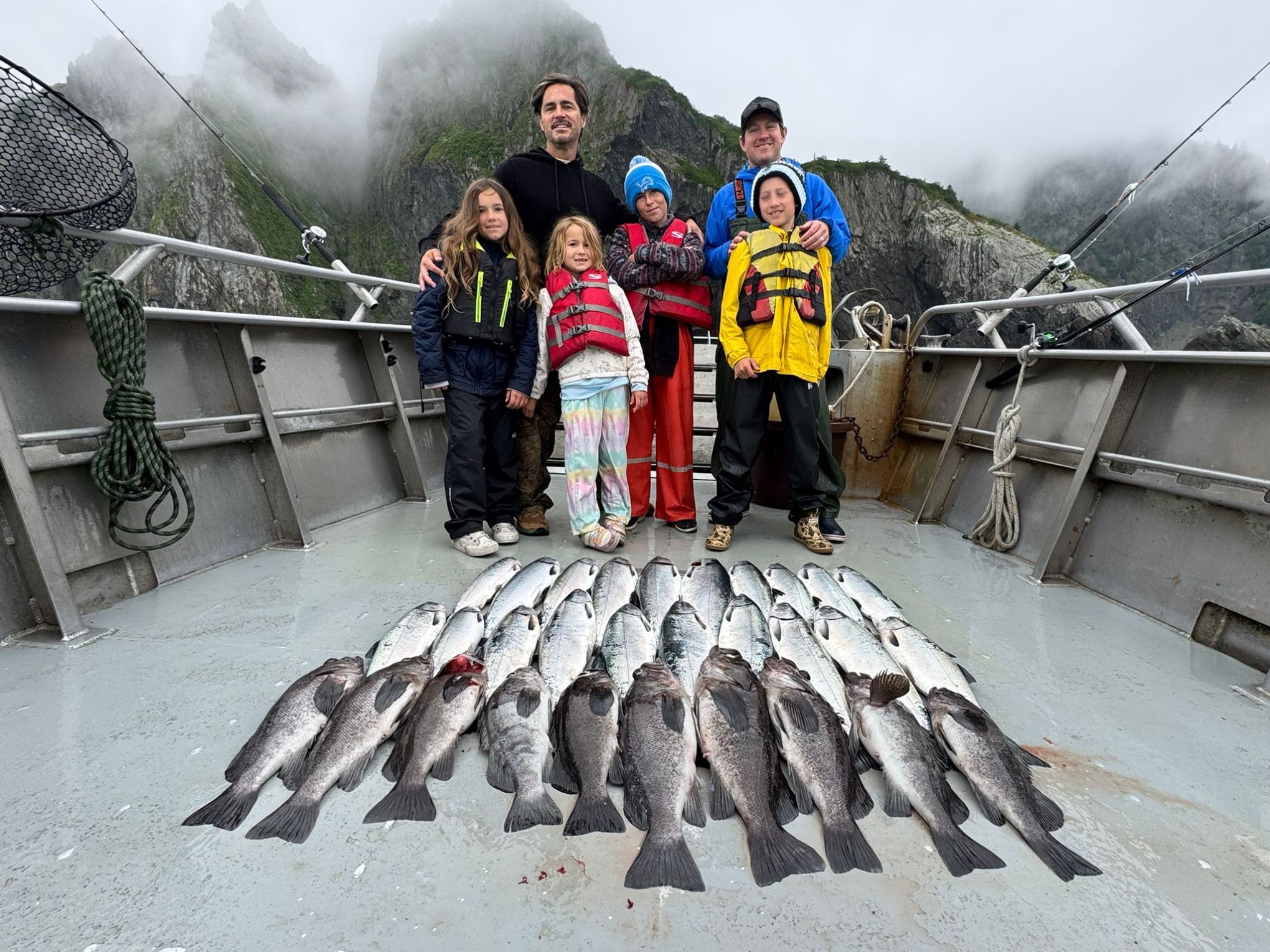
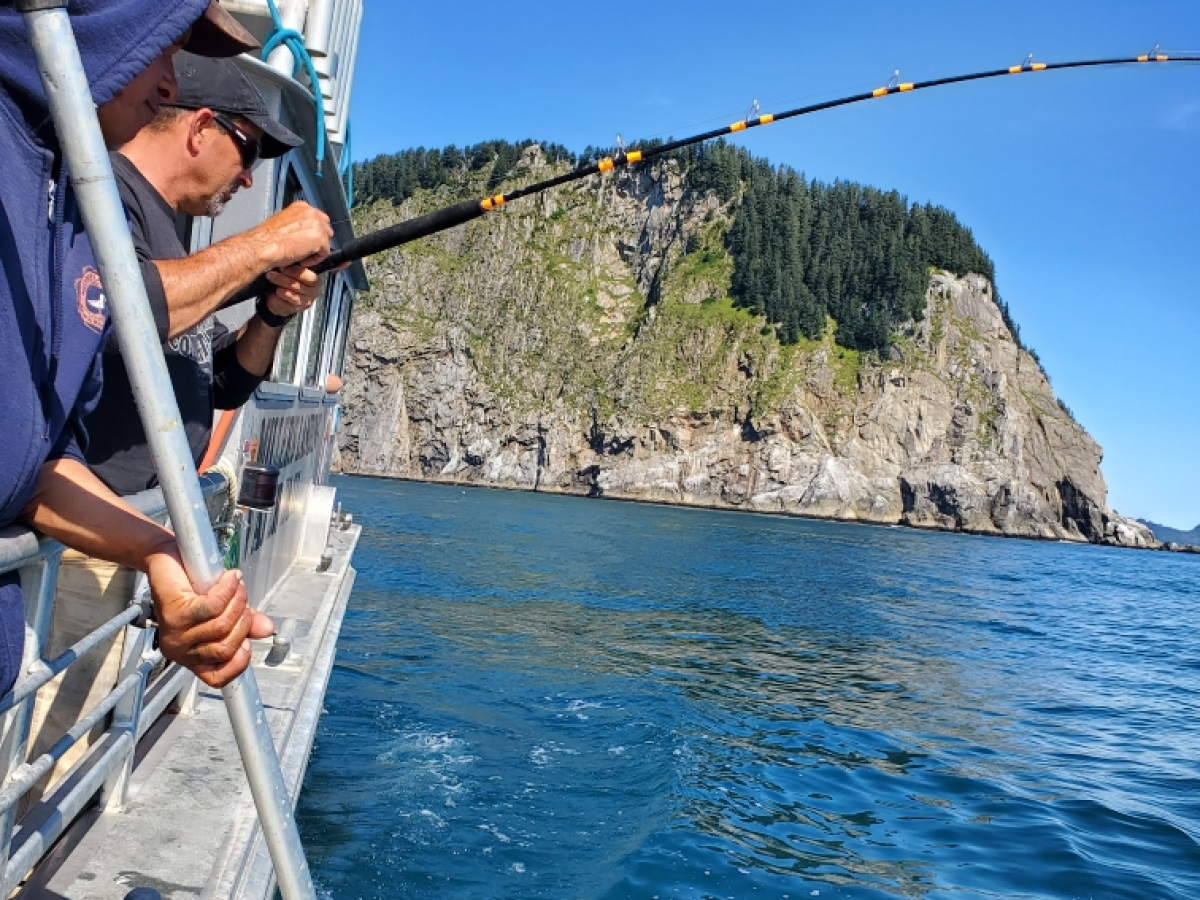
On the way home from Cape Resurrection navigates Rugged Island to Callisto Head and offers a beautiful view of Bear Glacier. We stop at various fishing spots known for catching black bass and fish for about an hour. You enjoy the thrill of catching one fish after another. There are times that you can even reel up two or three on the same line, which really makes for a fun time and an unforgettable excursion on your Alaska vacation!
Essential Details
WHAT WE PROVIDE
Premium Fishing Gear: Enjoy world-class fishing for all species using our premium fishing gear Thrasher and Seeker rods, Avet and Shimano reels, and hand-tied gear using top-end components! Read more about our equipment here!
Smaller Boats for Half-Day Charters: Our half-day boats are smaller, fast, and designed for a more personal experience—carrying just six guests. That means you’ll have the captain’s and deckhand’s full attention, making it perfect for shorter trips or first-time anglers.
Upgrade Your Trip with a Meal Package: Prepared in our own cafe fresh each morning before the charter. Find our different options when you go to book. From just breakfast and snacks to breakfast, lunch and a beverage at the cafe when you return from your trip. Perfect for while you wait for them to clean your fish.
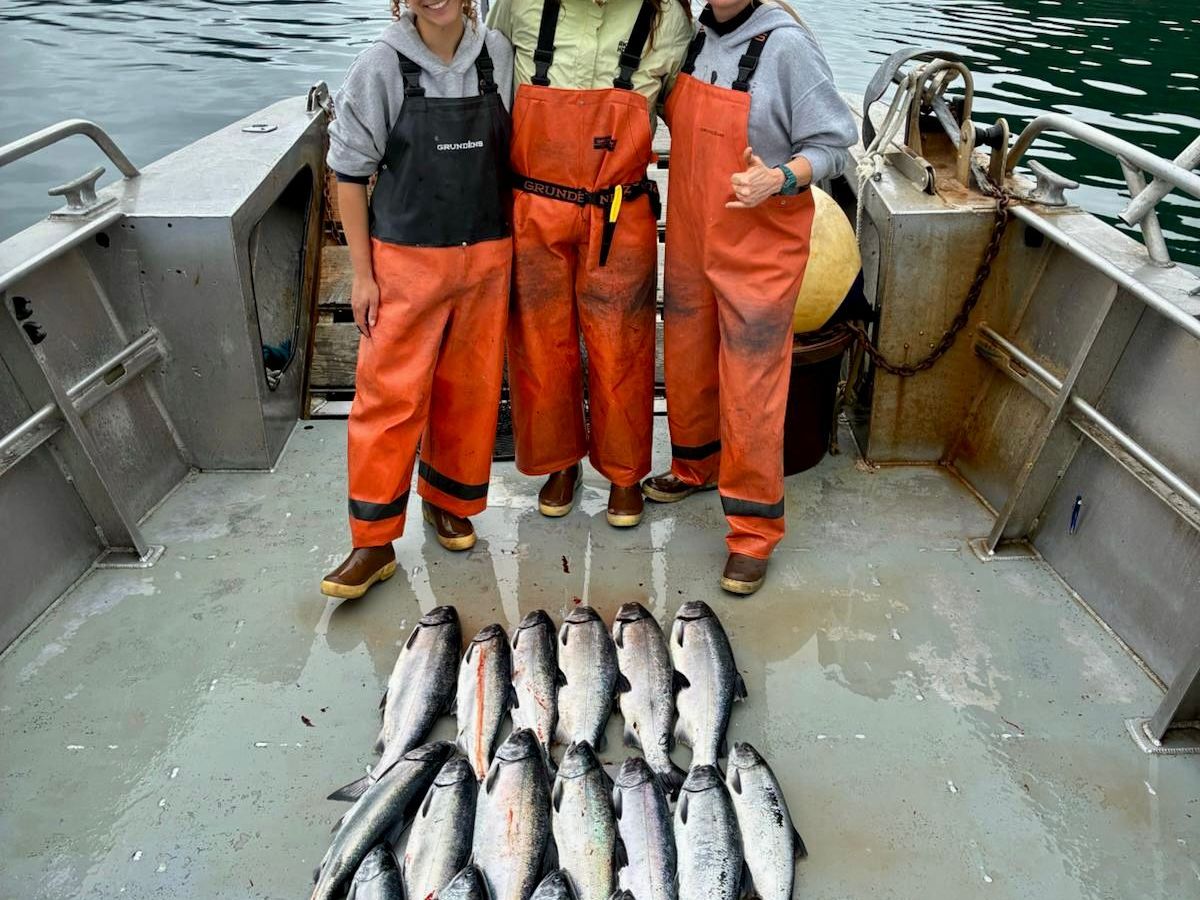
Fish Fileting and Cleaning: Our crew will clean and fillet your catch. From there, you simply drop it off at the processor of choice to have it packaged, frozen, or even shipped home—easy and hassle-free.
OUR FISHING METHODS
We do things a little differently than most halibut charters—and it’s worked for us for over 40 years. Most days we drift over structure, then circle back and repeat so you’re constantly in the strike zone; when it’s productive, we’ll anchor and chum, keeping a fresh scent trail moving and baits working.
How it works: Captains read tide, current, and bottom and precisely control drift speed and position to keep your gear where halibut feed. We also mooch for salmon on the drift, a very productive local technique.
What you’ll experience: You’ll be holding your rod, feeling every bite, and setting your own hook. Strikes can come on the drop, over ridges, or on the way up, and we commonly fish 50–450 ft for all species.
Why we do it: Active drifting takes more effort and coordination (and sometimes more gear), but it consistently produces fish and keeps you engaged.
We’ve refined this approach for decades—it’s harder on us, better for you.
The ThomaSea
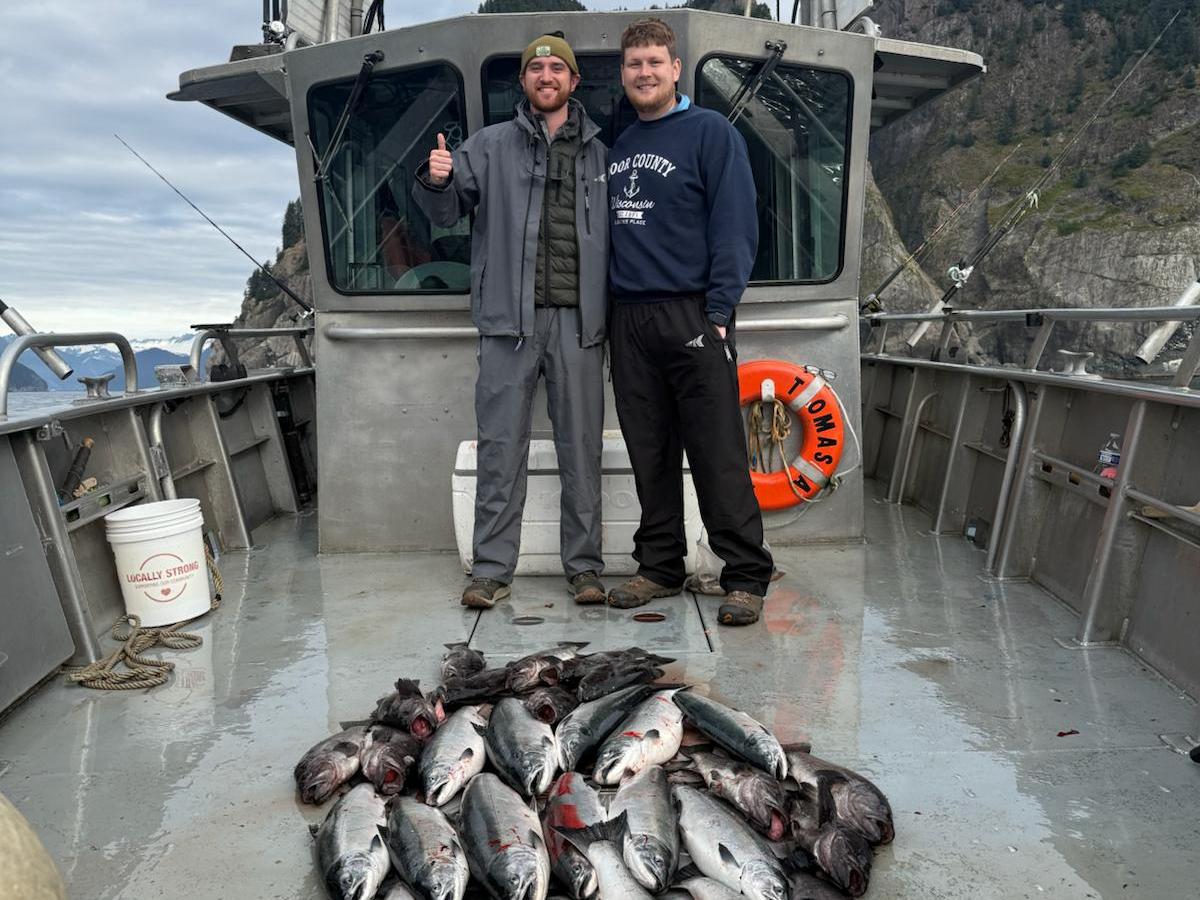
A 32-foot aluminum Munson-design landing craft powered by twin 250hp Honda outboard engines, allowing it to cruise comfortably at 22–25 knots. Featuring a walk-around cabin aft design and ample deck space, it offers commanding views of the fishing action from anywhere on board. The vessel is equipped with a full navigation suite including a fish finder, GPS, and radar, as well as a life raft on a hydrostatic release and an EPIRB for safety. The heated cabin ensures comfort in all conditions, and a small open head (toilet) is available on the back deck. It has a five-star USCG Auxiliary safety rating and a six-passenger limit.
FISHING REGUATIONS
We do our best to keep you updated on ADF&G/IPHC + Emergency Orders. Fishing regulations change each year- for the most up-to-date information, please see the ADF&G website, at www.adfg.alaska.gov and the Southcentral Region, specifically linked HERE.
Halibut: Retain two per day — one any size, and one over 27 inches. You may retain two under. Closed Tuesdays and Wednesdays
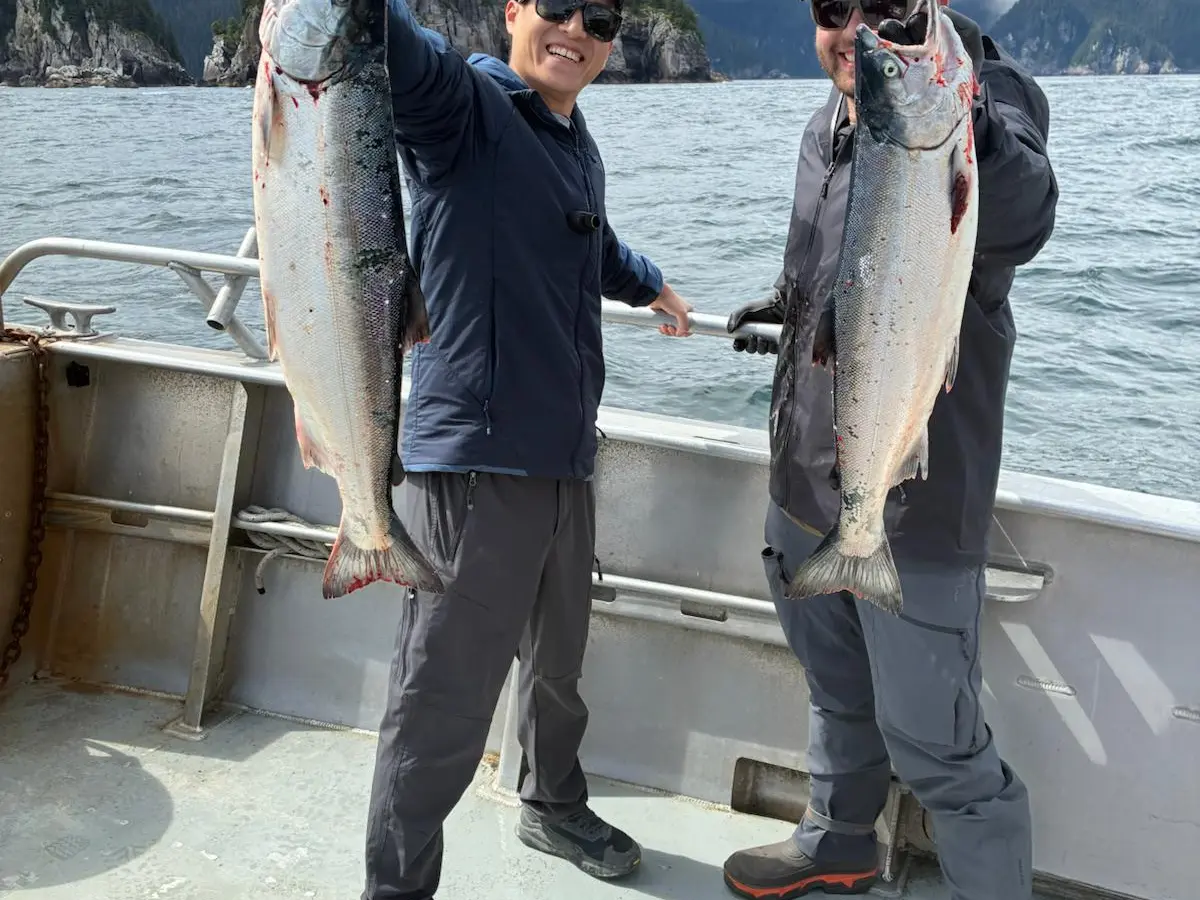
Salmon: Retain six a day inside Resurrection Bay Terminal Harvest Area, or three a day outside of Resurrection Bay.
King Salmon: You can retain one a day but must have a stamp.
Rockfish: Retain three pelagic rockfish a day, and one non-pelagic.
Yelloweye Rockfish: Can be retained starting July 1st.
Lingcod: They can be retained starting July 1st, you can have one per day, and it cannot be less than 36″.
Scroll down for more information on each species!
FOOD & DRINK ADDONS
Enjoy freshly made meals prepared right in our on-site café. Your hot breakfast is served on the boat, and you can grab a barista coffee before departure. When you return, relax with a cold drink while we clean your catch — the perfect way to start and end your fishing day.
Premium Meal Package ($60):
- Premium barista drink – Pick up at the cafe in the morning
- Breakfast – Burrito or Sandwich
- Lunch – Fully loaded sandwich
- Snack Item
- A drink like Gatorade
- Coffee, Beer, or drink upon return
Standard Meal Package ($30):
- Premium barista drink – Pick up at the cafe in the morning
- Lunch – Fully loaded sandwich
- Snack Item
- A drink like Gatorade
TIPS FOR A GREAT TRIP
What to Wear: Layers are key — it can swing from calm sunshine to wind and rain in minutes. Bring a waterproof jacket, warm hat, and gloves and extra layers you can store inside the boat. Sunscreen, sunglasses, and a hat help against both sun and glare off the water. Footwear matters too; non-slip, waterproof boots or shoes keep your feet warm and safe on deck.
Bring Food and Drinks: Pack lunch, snacks, and plenty of water (or coffee). It’s a long day on the water! Or purchase a meal plan from us for your trip and enjoy a carefree vacation on the water.
Taking the Fish Home: If local, bring a small cooler for the drive home, or use local fish processing services for bagging and freezing. We clean your fish for you, then you take it to the processor to be packaged, frozen and even shipped if needed.
Listen to Your Captain and Crew: They know the fish, tides, and conditions — following their direction makes for a safer, more successful trip.
FUEL SURCHARGE
Fuel is our largest operating cost. While our rates reflect fuel prices at publishing, Miller’s Landing may add a per-person surcharge if marine fuel exceeds $4.50/gal at the time of your trip; no surcharge applies below that threshold. This policy lets us run to the best fishing grounds without limiting range—ensuring the best possible experience.
| PRICE OF FUEL | FUEL SURCHARGE |
|---|---|
| UNDER $4.50 PER GALLON | NO SURCHARGE |
| $4.51 – $5.00 PER GALLON | $10 PER PERSON PER DAY |
| $5.01 – $6.00 PER GALLON | $20 PER PERSON PER DAY |
| $6.01 – $7.00 PER GALLON | $30 PER PERSON PER DAY |
| $7.01 – $8.00 PER GALLON | $40 PER PERSON PER DAY |


More Information
-
Check in at Miller’s Landing’s main office, where you’ll meet your deckhand and load directly onto the boat from the beach—no harbor needed when you’ve got a landing craft. If you purchased a meal package, it’ll be waiting onboard. As you depart, the captain and crew will check your fishing license, cover safety info and boat etiquette, and share everything you need to know for the day.
Fishing spots range from 15 minutes to about an hour from the office, depending on season and where the bite is best. If we run farther, it’s for good reason—expect great scenery along the way and insights about Resurrection Bay and Kenai Fjords National Park from the crew. Before lines go in, your deckhand will make sure you’re comfortable with the gear and techniques for each species. After a day of fishing and sightseeing, the crew will clean and fillet your catch so you can take it to the processor of your choice. If you had a great time, don’t forget to tip your crew!
On this trip, the balance of fishing and sightseeing depends on weather, tides, and seasonal conditions. We typically kick things off with fishing, then wrap up with wildlife viewing and scenic stops—think tidewater glaciers, cascading waterfalls, dramatic rock formations, and more. Our crew will read the day’s conditions to maximize your time and make sure you get a little of everything.
-
Be sure to buy a license and any needed stamps for your trip. Have the license printed or a screen shot it on your phone. We need to be able to scan the QR code on it.
Buy your fishing license online at ADFG’s online Store here: Welcome to the ADF&G Store – State of Alaska Department of Fish and Game Online Store

-
The Seward Halibut Derby has been discontinued until further notice.
The Seward Silver Salmon Derby runs the 2nd Saturday of August every year, and is not only Alaska’s oldest fishing derby, but also the highest-dollar cash prize fishing derby in Alaska. You can buy tickets right at the store, and it’s a blast! Find more information here: Seward Silver Salmon Derby
- The Seward Halibut Derby has been discontinued until further notice.
The Seward Silver Salmon Derby runs the 2nd Saturday of August every year, and is not only Alaska’s oldest fishing derby, but also the highest-dollar cash prize fishing derby in Alaska. You can buy tickets right at the store, and it’s a blast! Find more information here: Seward Silver Salmon Derby
- The Seward Halibut Derby has been discontinued until further notice.
-
We especially enjoy having kids join us for the ride. However, it is important to understand the following before you sign up. We encourage those booking with children to consider booking the whole boat, to ensure we can cater to those family needs without impacting others. If the children aren’t having a good time, we can not and will not return home to accommodate that need. We will have to fish first and cater to the group. So we let families use their own discretion when deciding if they’re ready for the trip.
If you’ve booked the boat: you are the group we cater to.
-
- A $10 cancellation fee is imposed for all reservations cancelled.
- Cancellations must be received by email only to [email protected]. The cancellation notice date is the date the email was received at [email protected] Phone cancellations will not be accepted.
- Cancellations received by email 30 days prior to the first day of the reservation are charged a $10 cancellation fee and you will receive a refund of 90% of the total amount of the reservation.
- Cancellations received by email 15 to 29 days prior to the first day of the reservation are charged a $10 cancellation charge and you will receive a 75% refund. of the total amount of the reservation.
- Cancellations received by email 14 days to zero days prior to arrival are charged a $10 cancellation fee and you will receive a 50% refund only if we are able to rebook your camping, cabin, fishing, kayaking, watertaxi, shuttle, lunch, or activity. If we are not able to rebook your reservation then no refunds will be issued and. You must call or e-mail Miller’s Landing post date of cancelled stay in order for us to research whether or not your site booked. Sites that were booked of course qualify for the 50% refund, sites that were not unfortunately do not.
- In some situations a raincheck worth 75% of your reservation may be issued at the discretion of Miller’s Landing management instead of the applicable cancellation charge. If this option appeals to you please suggest this at the time of cancellation. Rainchecks are good for one year and may be used for activities, camping or lodging owned by Miller’s Landing or towards the cost of hats, tee shirts, gifts, etc. sold in the Miller’s Landing store or items sold online. For items purchased online the customer is expected to pay for the cost of postage. Rainchecks may NOT be transferred to another person.
- A 100% refund will be issued for any activity that was cancelled due to weather by Miller’s Landing. Miller’s Landing reserves the right to determine weather cancellations. Rain does not constitute cancellations.
Please note: Miller’s Landing encourages only guaranteed prepaid reservations. Unlike many other states, Alaska has a very short tourist season which can make it difficult for us to rebook when we have cancellations without ample notice.
If you are booking a charter and lodging and your charter , water taxi or kayaking is cancelled due to weather you are still responsible for the lodging or camping reservations and the normal cancellation policy applies. All of our activities are possible during rain, so rain does not constitute a cancellation. Miller’s Landing is not responsible for vehicle break downs, personal emergencies, flight delays, health issues or other unforeseen hardships. We will try very hard to work with you but the cancellation policy will need to be applied if we cannot issue a raincheck or find an alternative solution that appeals to both parties.
Please understand that Miller’s Landing also incurs a hefty financial merchant fee from our bank for the cost of charging your credit card and again for the cost of refunding it, and there is also a cost involved for the time involved in processing and refunding your reservation in employee costs. Our goal when taking your reservation is to have a solid, guaranteed prepaid reservation. We strongly discourage the practice of making reservations without having an airline ticket or making tentative reservations. Thank you for your understanding.
Why Choose Miller's Landing?
✓ Active and engaging methods
✓ Decades of local knowledge and top catch rates
✓ Small groups for personalized attention
✓ Wildlife viewing built into every trip
✓ Family-owned and operated in Seward since 1982